Toyota Camry Engine for Repairs
Harnessing the Strength: An In-Depth Guide to Toyota Vehicle Engines
In the domain of automotive engineering, Toyota stands out for its dedication to innovation and reliability. This guide explores the complexities within Toyota's varied engine selection, including developments within hybrid technology and performance improvements. All engine types deliver unique benefits tailored to different driving styles. Grasping these factors can greatly impact vehicle capability and fuel economy. The sections ahead will provide valuable information that any Toyota owner would benefit from knowing.
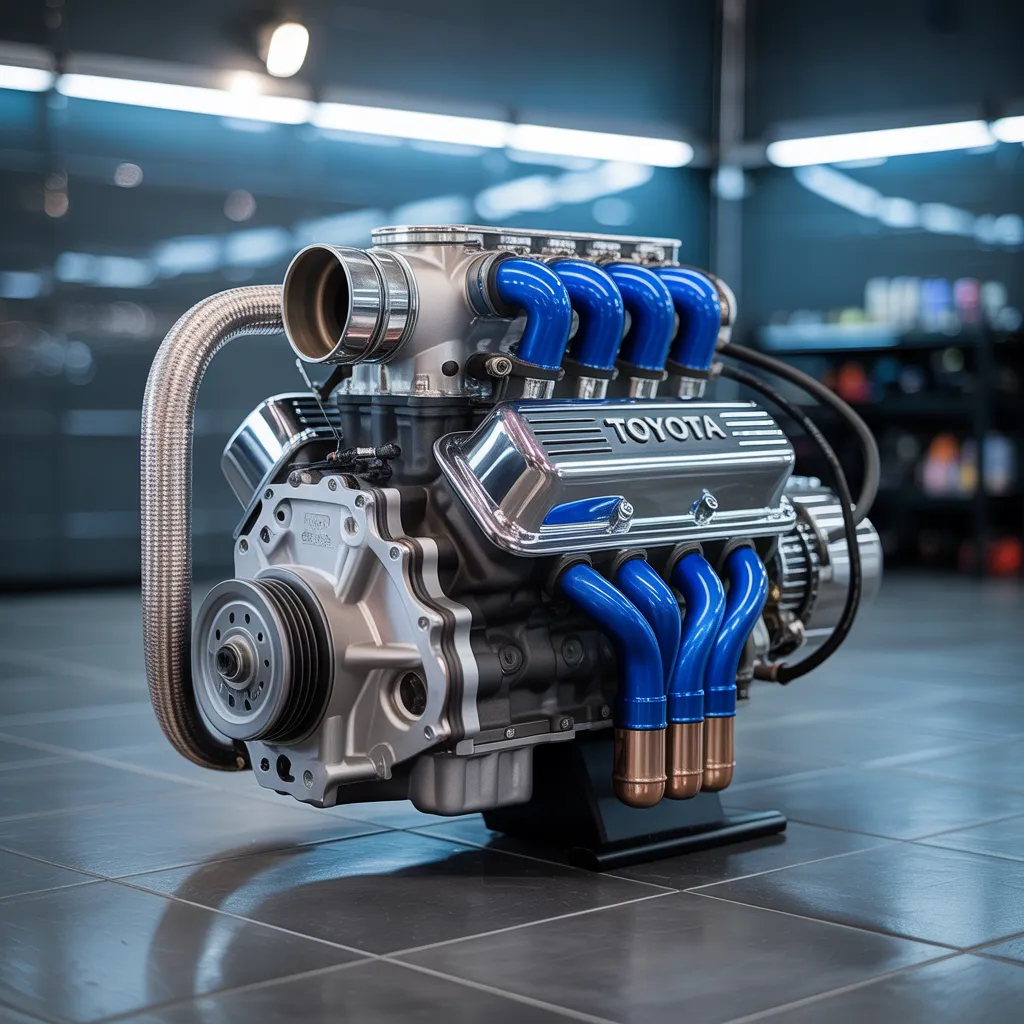
The Engineering Excellence Behind Toyota Engines
Toyota's team of engineers place great emphasis on dependability, regularly going beyond established benchmarks in testing and development. This thorough methodology results in powertrains that not only deliver exceptional performance but also need fewer maintenance interventions as time goes on. In addition, the integration of cutting-edge technologies, such as fuel injection systems and variable valve timing, improves both power output and fuel efficiency.
Toyota Engine Varieties and Their Distinctive Characteristics
Toyota's engine lineup presents a varied range of engineering solutions, including advanced gasoline engines optimized for efficiency and performance. The inclusion of hybrid powertrain technology greatly improves these engines, delivering notable benefits in fuel economy and reduced emissions. Exploring these distinctive characteristics reflects Toyota's commitment to sustainable engineering excellence.
Gas-Powered Engine Innovations
A remarkable array of gasoline engine innovations defines Toyota's engineering prowess, showcasing various types designed to enhance performance and efficiency. Toyota's innovative Dynamic Force Engine platform exemplifies this pursuit, perfecting combustion cycles and boosting thermal efficiency. VVT-i systems further enhance responsiveness across a range of driving conditions, providing begin here superior fuel savings without compromising performance. Furthermore, the development of turbocharged engines facilitates streamlined designs capable of delivering exceptional thrust and speed. Toyota's commitment to lightweight materials and advanced engineering also contributes to minimized mechanical resistance and enhanced performance. With the implementation of these pioneering technologies, Toyota persists in setting industry standards, providing motorists with a combination of strength, economy, and dependability in their gasoline engines, defining new milestones in automotive excellence.
Hybrid Technology Benefits
Hybrid technology represents a major breakthrough in automobile development, merging the benefits of gasoline and electric energy to produce a greener and more economical driving experience. Toyota's pioneering systems, like the Hybrid Synergy Drive, maximize fuel economy while reducing harmful emissions. This system enables cars to run on electric energy at reduced speeds, decreasing fuel dependency and boosting metropolitan driving efficiency. The regenerative braking system harnesses energy normally dissipated during braking, additionally enhancing overall efficiency. Moreover, hybrid cars present the advantage of diminished dependence on non-renewable fuels, contributing to sustainability efforts. With a smooth transition between electric and fuel-based propulsion, Toyota's hybrids deliver a smooth driving experience, appealing to eco-conscious consumers who seek performance without compromising on environmental responsibility.
Understanding Toyota's Hybrid & Electric Powertrain Options?
While the automotive industry increasingly emphasizes sustainability, Toyota has emerged as a leader in hybrid and electric engine technology. Toyota's groundbreaking approach to hybrid technology began with the Prius, which set a benchmark for reduced emissions and fuel efficiency. Toyota's hybrid engines integrate a combustion engine with an electric motor, enabling smooth transitions between power sources to enhance both performance and efficiency.
Alongside hybrid vehicles, Toyota has broadened its lineup to feature fully electric vehicles, highlighting its focus on zero-emission driving. The brand's electric models prioritize impressive range capacity and fast charging, catering to the changing demands of environmentally aware consumers.
Additionally, Toyota is actively developing hydrogen fuel cell technology, strengthening its alternative drivetrain lineup. This multifaceted strategy not only reinforces Toyota's dedication to sustainable practices but also positions the company as a trailblazer in the movement toward a cleaner automotive industry.
Technologies Boosting Performance and Efficiency
Toyota employs a range of advanced technologies to improve both power and fuel economy across its range of engines. A key innovation is the Variable Valve Timing (VVT) system, which enhances valve operations for better power delivery and fuel efficiency. In addition, the implementation of direct fuel injection facilitates precise fuel delivery, improving combustion efficiency and reducing emissions.
Turbo technology represents another significant advancement, enabling smaller engines to produce more power without sacrificing fuel economy. Moreover, Toyota incorporates lightweight components in its engine design to minimize total vehicle weight, resulting in enhanced performance and fuel efficiency.
The adoption of hybrid technology strongly highlights Toyota's commitment to sustainability, blending electric and gasoline power for peak performance. Furthermore, cutting-edge engine management systems routinely track and optimize engine parameters, ensuring that performance and efficiency are maximized under various driving conditions. These innovations collectively embody Toyota's dedication to engineering excellence.
Ways to Keep Your Toyota Engine Running Strong
Achieving peak engine performance and extended lifespan necessitates careful attention and scheduled maintenance. Regular oil changes are critically important; using the manufacturer-recommended oil type guarantees optimal lubrication. Tracking coolant levels and servicing the cooling system guards against overheating, which may result in significant engine damage. Consistently examining and changing air filters promotes better airflow, optimizing combustion performance.
Furthermore, conducting scheduled inspections of belts and hoses helps identify deterioration before it leads to damage. Tire pressure is an important factor that should not be ignored, as adequately inflated tires help lessen the burden on the engine. Keeping the fuel system clean is crucial; incorporating high-grade fuel and routinely using fuel system cleaners can optimize engine performance.
Moreover, complying with the maker's scheduled maintenance intervals contributes to overall engine health. By putting these measures into practice, Toyota owners can enjoy a well-performing engine that performs well for years to come, guaranteeing consistent reliability and fuel efficiency while driving.
Picking the Ideal Toyota Engine for Your Driving Style
How do drivers go about finding the right Toyota engine that matches their personal driving needs? Understanding the key engine types available is essential. For drivers who place fuel economy at the top of their list, Toyota's hybrid engine options, including those equipped in the Prius, provide remarkable efficiency while still maintaining strong performance. By contrast, motorists looking for a more performance-oriented ride may favor the turbocharged engines available in models such as the Camry TRD, which offer an exciting and engaging driving experience.
For those who enjoy off-road adventures, the robust engines in the Tacoma and 4Runner deliver the essential torque and durability for demanding landscapes. Moreover, daily commuters could consider the compact engines in the Corolla sufficient for urban commuting, emphasizing agility and ease of parking.
Ultimately, considering each driver's unique habits, sought-after performance, and eco-friendly factors will guide drivers toward the most suitable Toyota engine, guaranteeing a well-balanced match between the automobile's strengths and the driver's daily needs.
Questions We Often Receive
In What Ways Does Toyota Guarantee Engine Reliability Over Time
Toyota maintains engine reliability over time via rigorous testing, high-quality materials, and advanced engineering techniques. Ongoing enhancements derived from in-depth research and valuable customer insights additionally strengthen durability, fostering lasting performance and overall customer satisfaction.
What Are the Most Common Signs of Toyota Engine Trouble?
Typical indicators of Toyota engine issues include strange sounds, fluid leaks, decreased engine performance, indicator lights on the dash, excessive heat buildup, and abnormal exhaust smoke. Detecting these signs early on can avoid more serious damage and expensive repairs.
Are Toyota Engines Compatible With Aftermarket Modifications?
Toyota powerplants are widely suited for aftermarket enhancements, enabling enthusiasts to improve performance and visual appeal. However, compatibility may vary based on specific models and modifications, requiring thorough research and deliberation for optimal outcomes.
How Do I Identify My Toyota Engine Model?
To identify a Toyota engine model, one may check the engine identification code stamped on the engine block, typically near the front. Additionally, VIN numbers and owner's manuals supply essential information for accurate identification.
What Maintenance Schedule Is Recommended for Toyota Engines?
Toyota engines typically need scheduled servicing between 5,000 and 10,000 miles, including oil changes, filter replacements, and inspections. Adhering to the manufacturer's guidelines guarantees peak performance and longevity of the vehicle.